
Ultralight Backpacking is the Minimalist Practice of Packing as Light as Possible While Remaining Safe and Comfortable on the Trail

Sort


TOAKS Ultralight Titanium Solid Fuel Cook System
$59.95


TOAKS Titanium Alcohol Stove System w/900ml Pot
$99.90


Ultralight Backpacking Gear: Move Farther, Faster, Lighter
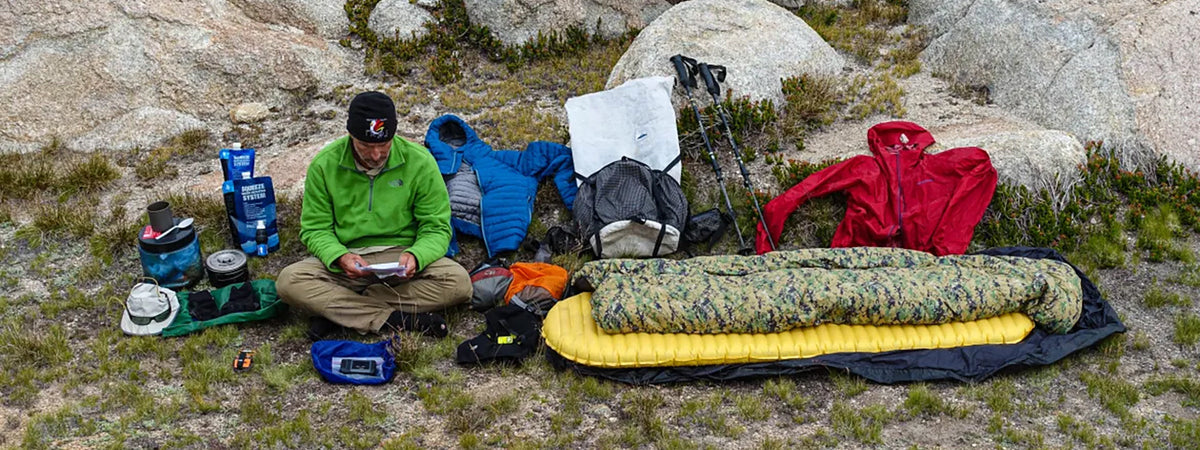
Ultralight backpacking strips away excess to focus on what matters: covering ground efficiently while staying safe, comfortable, and immersed in the experience. The philosophy is simple: every ounce counts when you're carrying your home for days or weeks. The right gear lets you hike longer, climb higher, and explore deeper without the drag of unnecessary weight.
At Gearlanders, we curate ultralight essentials that prioritize proven performance over gimmicks: shelters that weigh under 2 lbs yet handle real weather, sleep systems that deliver warmth and recovery at minimal packed size, stoves and cookware that boil water fast without excess bulk, and storage solutions that collapse to nothing when empty. These aren't race-day toys. They're built for multi-day thru-hikes, fastpacking routes, and remote section hikes where resupply is days away.
Key Considerations for Building an Ultralight Kit
- Base Weight Target: Aim for 10 lbs or less (excluding consumables) for true freedom of movement. Start with shelter, sleep system, pack, and kitchen as the big levers.
- Shelter Choices: Semi-freestanding or trekking-pole tents for versatility; look for 20 to 40D fabrics with solid waterproof ratings (1200mm+ floor, 1500mm+ fly) to balance weight and weather resistance.
- Sleep System Optimization: Pair a high-fill down bag/quilt (800+ fill power) with an insulated air pad (R-value 3+ for 3-season use) to maintain warmth without bulk.
- Stove & Kitchen: Alcohol, solid fuel, or compact canister options; titanium pots and utensils cut ounces without sacrificing durability.
- Hydration & Storage: Collapsible bottles/bladders, inline filters, and lightweight dry bags to manage water and gear protection efficiently.
- Compatibility & Seasonality: Verify tent pole lengths, bag temperature ratings, and pad dimensions. Small mismatches add frustration on trail.
Popular Ultralight Applications We Stock
Our selections support the most common minimalist setups:
- Solo fastpackers and section hikers: One-person tents like the Alto TR series, ultralight quilts, and compact stoves.
- Duo lightweight trips: Two-person shelters (Telos TR2, Alto TR2 Plus) with shared-weight distribution.
- Thru-hike inspired builds: Featherweight cook systems (TOAKS titanium), inflatable pads, and packable pillows for comfort over long distances.
- Bikepacking crossovers: Compact tents and hydration that strap easily to frames.
Shelter First, Then Sleep, Then Everything Else
Most ultralight builds start with shelter (your biggest single item), then sleep system (recovery is non-negotiable), followed by pack and kitchen. We emphasize pieces that work together: a tent that accepts your trekking poles, a stove that nests inside your pot, a pad that fits the tent floor perfectly.
Unsure about base weight math, fabric trade-offs, or how a specific piece fits your planned routes? Reach out. We help serious hikers dial in kits that match real trail conditions, not just spec sheets.
Browse the full Ultralight Gear collection to start lightening your load.
FAQs:
Do I really need to go sub-10 lb base weight to enjoy ultralight? No. Many start at 12 to 15 lbs and still feel the freedom. The principles (intentional choices, multi-use items) deliver benefits even if you never hit "ultra" territory.
Quilt vs traditional sleeping bag: which is better for ultralight? Quilts save weight by eliminating the bottom (pad provides insulation there) and often pack smaller. Bags are simpler for beginners or colder conditions where draft control matters more.
How much insulation do I need in an ultralight sleeping pad for 3-season use? Target R-value 3 to 4 for spring/fall; 4+ if you camp on snow or in high elevations. Weight penalty is small compared to poor sleep.
Titanium vs aluminum cookware? Titanium is lighter and more durable long-term but costs more and heats slower. Aluminum is cheaper and transfers heat better, so choose based on budget and priority. We carry both.

Why does Hiking Make Me Happy?
Turns out that there are a lot of psychological benefits to getting out into nature, like releasing dopamine and serotonin, encouraging mindfulness, and providing an opportunity for introspection and self-discovery.


Ultralight Backpacking in Sierra Nevadas
Cut pack weight without cutting the trip short. Essential ultralight gear picks and lessons from backpacking the Sierra Nevada.


Essential Tips for Solo Backpackers
Carrying the right gear is crucial for solo backpacking. Ensure that you have a well-fitted backpack with essential items such as a map, compass, first aid kit, extra food and water, appropriate clothing, and a reliable communication device.